

Running a business today requires balancing countless responsibilities. From managing customer inquiries and scheduling appointments to handling administrative tasks and supporting daily operations, business owners often find themselves overwhelmed with work.
This is one of the main reasons why more companies are turning to virtual assistants. These remote professionals help businesses stay organized, improve productivity, and reduce operational costs without the expense of hiring full-time employees.
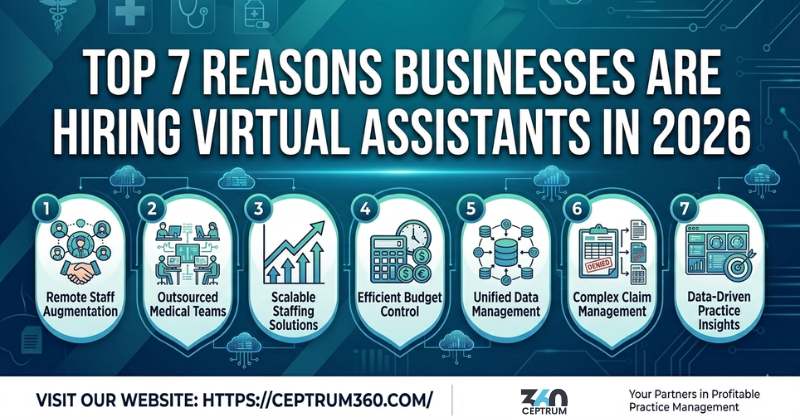
Whether you’re a startup founder, healthcare provider, eCommerce business owner, or growing enterprise, virtual assistants can provide the support needed to focus on strategic growth. Explore the top seven reasons businesses are hiring virtual assistants in 2026 and how they can help organizations operate more efficiently.
What Are Virtual Assistants and Why Are They Important?
Virtual assistants are remote professionals who provide administrative, operational, technical, or customer support services to businesses and entrepreneurs. Unlike traditional employees, they work remotely and can be hired on a full-time, part-time, or project basis.
Businesses use virtual assistants to handle a wide range of tasks, including:
- Email management
- Appointment scheduling
- Data entry
- Customer service
- Calendar management
- Social media support
- Lead generation
- CRM management
As businesses continue to embrace remote work and digital operations, virtual assistants have become an essential part of modern workforce strategies.

How Virtual Assistants Help Businesses Reduce Operational Costs
One of the biggest advantages of hiring virtual assistants is cost savings.
Hiring a full-time employee comes with significant expenses, including office space, equipment, benefits, payroll taxes, and training costs. For many small and medium-sized businesses, these expenses can quickly add up.
Virtual assistants eliminate many of these costs because they work remotely and often use their own equipment. Businesses only pay for the services they need, making it easier to manage budgets while maintaining productivity.
This flexible hiring model allows companies to access professional support without making a long-term financial commitment.
Lower Hiring and Training Costs
Many experienced virtual assistants already possess the skills required for administrative support, customer service, and business operations. This reduces onboarding time and minimizes training expenses.
Pay for Only What You Need
Businesses can hire virtual assistants on an hourly, weekly, or project basis. This flexibility ensures organizations only pay for completed work rather than idle time.
How Virtual Assistants Increase Productivity and Efficiency
Business owners often spend valuable hours handling repetitive tasks that could be delegated to someone else.
By outsourcing routine responsibilities to virtual assistants, leaders can focus on activities that directly contribute to revenue growth and business development.
Tasks such as inbox management, scheduling meetings, preparing reports, and updating databases can consume a significant portion of the workday. Delegating these activities improves overall efficiency and frees up time for strategic decision-making.
Focus on High-Value Activities
Instead of spending hours on administrative work, business owners can dedicate more time to:
- Sales and marketing
- Client relationship management
- Product development
- Business strategy
- Team leadership
Faster Task Completion
Many virtual assistants specialize in specific business functions and can complete tasks quickly and accurately. Their expertise often results in improved workflows and better operational performance.
Virtual Assistants Provide Flexible Business Support
Business needs change throughout the year. Seasonal demand, special projects, and business growth can create temporary increases in workload.
Traditional hiring processes can be slow and expensive. Virtual assistants offer a flexible alternative that allows businesses to scale support up or down as needed.
Easily Adjust to Changing Workloads
Companies can increase support during busy periods and reduce hours when demand slows down. This flexibility helps businesses maintain efficiency while controlling costs.
Access Support Across Multiple Time Zones
Many virtual assistants work from different regions around the world. This allows businesses to extend operating hours, respond to customer inquiries faster, and maintain continuous workflow coverage.
How Can You Access Specialized Skills Through Virtual Assistants?
Modern virtual assistants offer far more than administrative support. Many possess specialized expertise in areas that help businesses improve operations and achieve growth objectives.
Depending on business needs, companies can hire virtual assistants with experience in:
- Customer support
- Digital marketing
- Lead generation
- Bookkeeping
- Project coordination
- CRM management
- Data analysis
- Social media management
This access to specialized talent allows businesses to benefit from professional expertise without hiring multiple full-time employees.
Industry-Specific Knowledge
Many virtual assistants have experience working within specific industries such as healthcare, legal services, real estate, finance, and eCommerce.
Their industry knowledge enables them to understand workflows, compliance requirements, and customer expectations more effectively.
Frequently Asked Questions (FAQs)
1. What does a virtual assistant do for a business?
A virtual assistant provides remote support for various business functions, including administrative tasks, customer service, appointment scheduling, email management, data entry, social media management, lead generation, and CRM updates.
2. How can virtual assistants help reduce business costs?
Virtual assistants work remotely, eliminating expenses related to office space, equipment, employee benefits, and payroll taxes. Businesses only pay for the services they need, making virtual assistants a cost-effective staffing solution.
3. Are virtual assistants only for small businesses?
No. Businesses of all sizes, from startups to large enterprises, use virtual assistants to improve productivity, streamline operations, and access specialized skills without expanding their in-house teams.
4. What industries benefit most from virtual assistants?
Virtual assistants can support nearly any industry, including healthcare, real estate, legal services, finance, eCommerce, marketing, and professional services. Many virtual assistants have industry-specific experience and understand specialized workflows.
5. Can virtual assistants handle customer support tasks?
Yes. Many virtual assistants are trained to manage customer inquiries, respond to emails, handle live chat support, process orders, and assist with customer relationship management.